

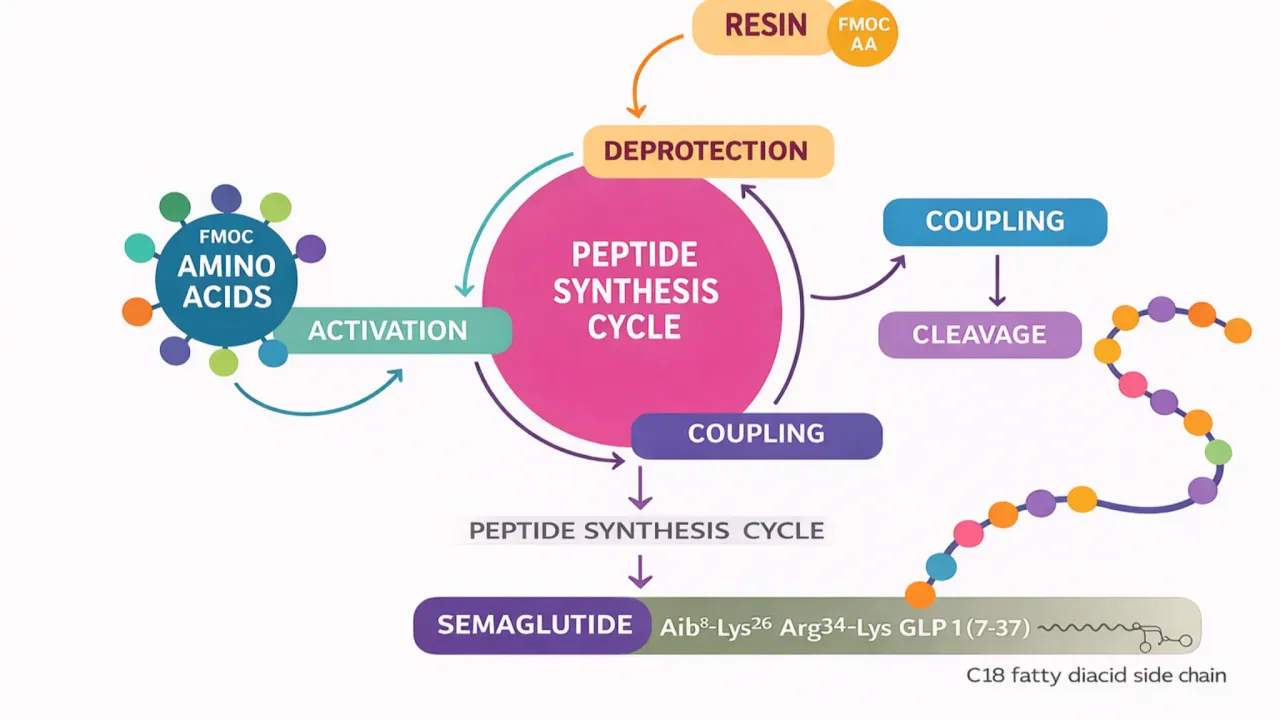
Enzymatic Strategies Behind Semaglutide Manufacturing
Enzymatic Strategies Behind Semaglutide Manufacturing
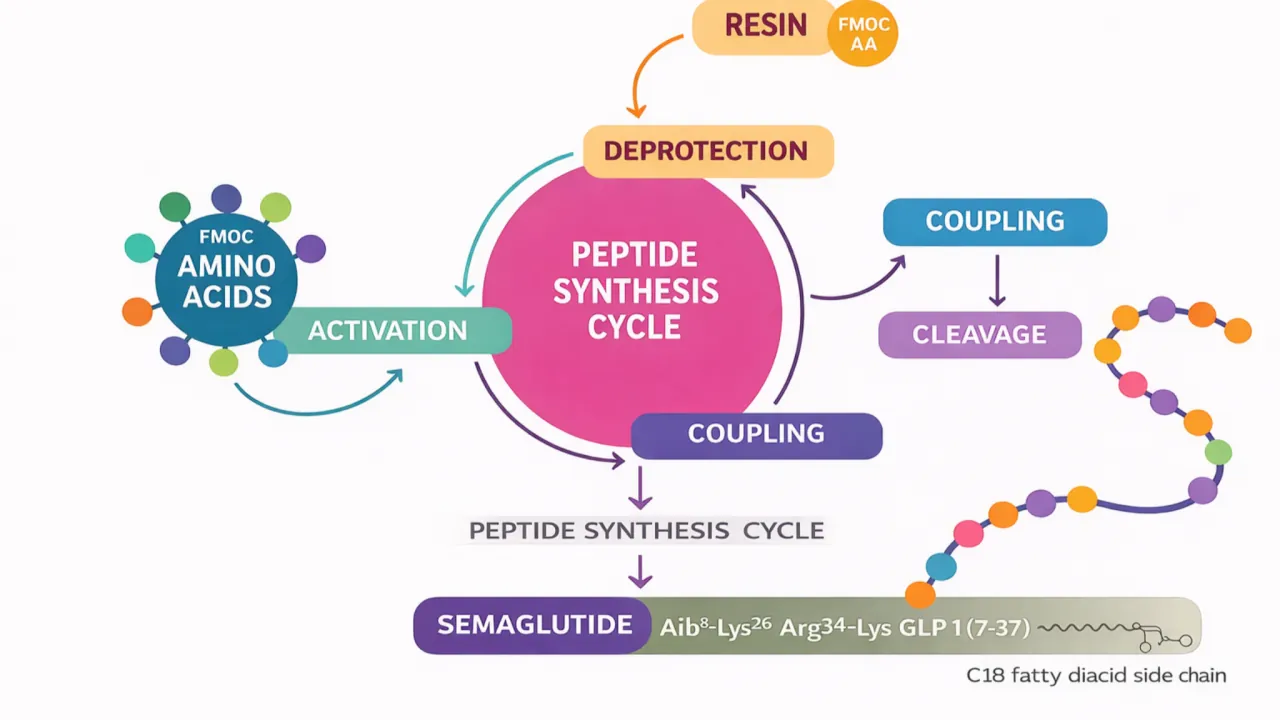
Semaglutide is a structurally modified analog of the natural GLP-1 hormone and has rapidly become a cornerstone therapy for type 2 diabetes and obesity. While its clinical benefits command enormous attention, the enzymatic engineering required to manufacture this peptide at scale is a fascinating story in its own right.
Unlike small molecules synthesized in a single step, Semaglutide is first expressed as a precursor or fusion construct, then enzymatically processed with surgical precision to generate the exact therapeutic peptide backbone before any downstream chemical modification takes place.
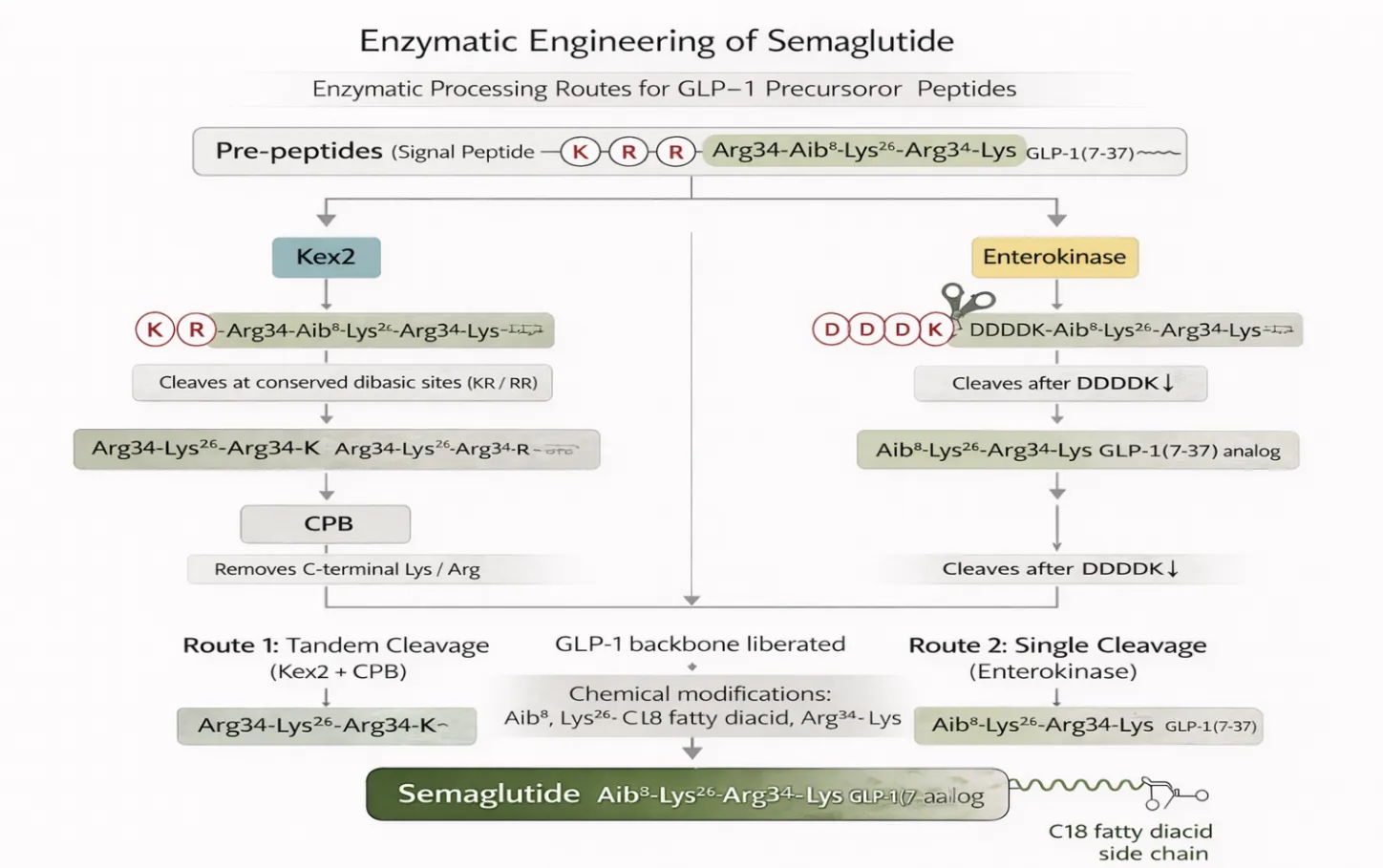
A common source of confusion is the role of processing enzymes such as Kex2 protease, Enterokinase and Carboxypeptidase B. Although all three are relevant to Semaglutide manufacturing, they do not represent three competing routes. In practice, there are two primary enzymatic strategies, each suited to a different expression system and production architecture.
ROUTE 1 — Yeast Pro-Peptide Processing: The Tandem Strategy
This approach is designed for yeast-based expression systems, where Semaglutide is synthesized as a secreted pro-peptide. It relies on a coordinated two-step maturation sequence that mirrors the host organism's own biology.
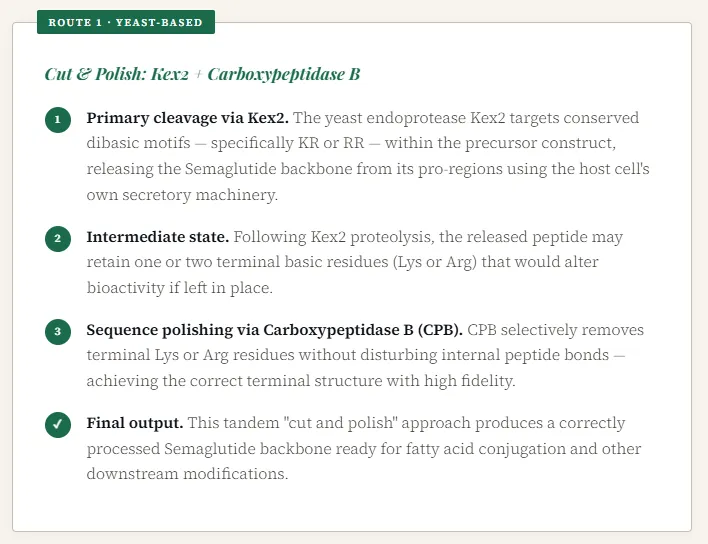
The elegance of this route lies in its biological alignment. Kex2 is native to Saccharomyces cerevisiae and naturally processes the host's own pro-proteins — meaning the expression system and the processing enzyme are co-optimized by evolution.
ROUTE 2 — Fusion-Protein Cleavage: The Single-Enzyme Strategy
An alternative, streamlined approach employs fusion-protein expression with an engineered linker sequence, enabling precise peptide release in a single catalytic step.
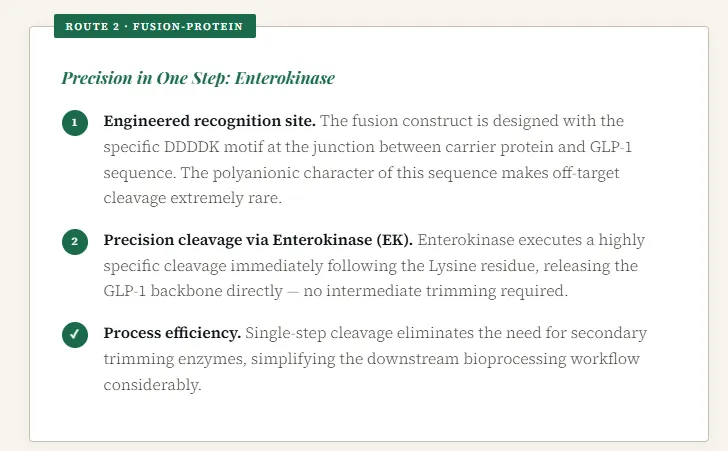
The trade-off to consider: Enterokinase is a heterodimeric serine protease, adding some complexity to its own production and handling. And if the target peptide contains an internal DDDDK-like motif, mis- cleavage risk must be carefully assessed during construct design.
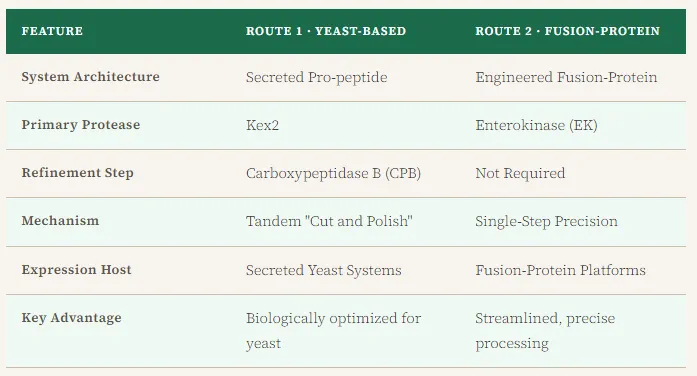
Comparative Overview
Stay Updated
Follow Provis Biolabs on LinkedIn for the latest biotechnology insights, product announcements and company news.
Explore
Related Products
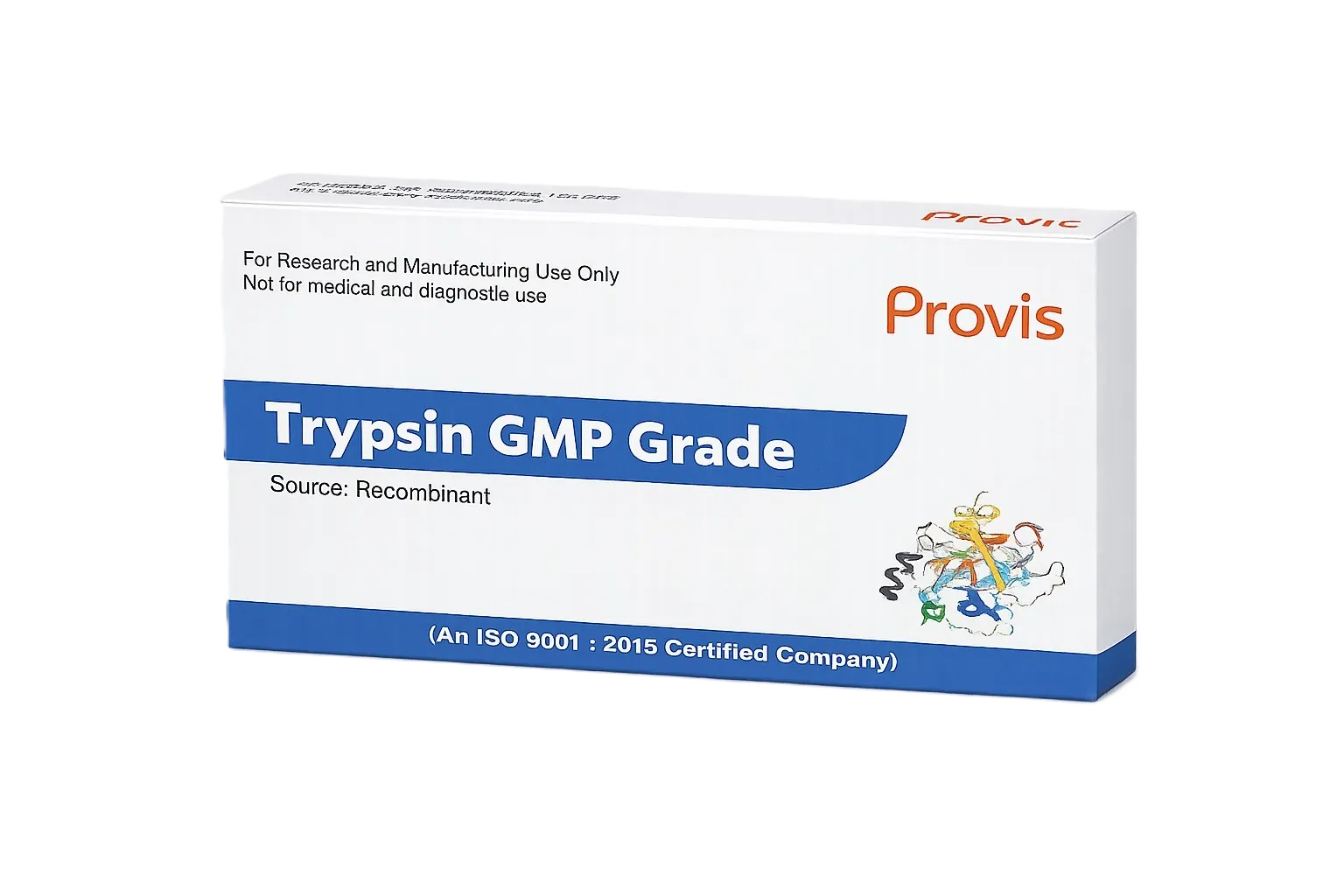
Trypsin
High-Purity Animal-Origin-Free Enzyme for Cell Dissociation
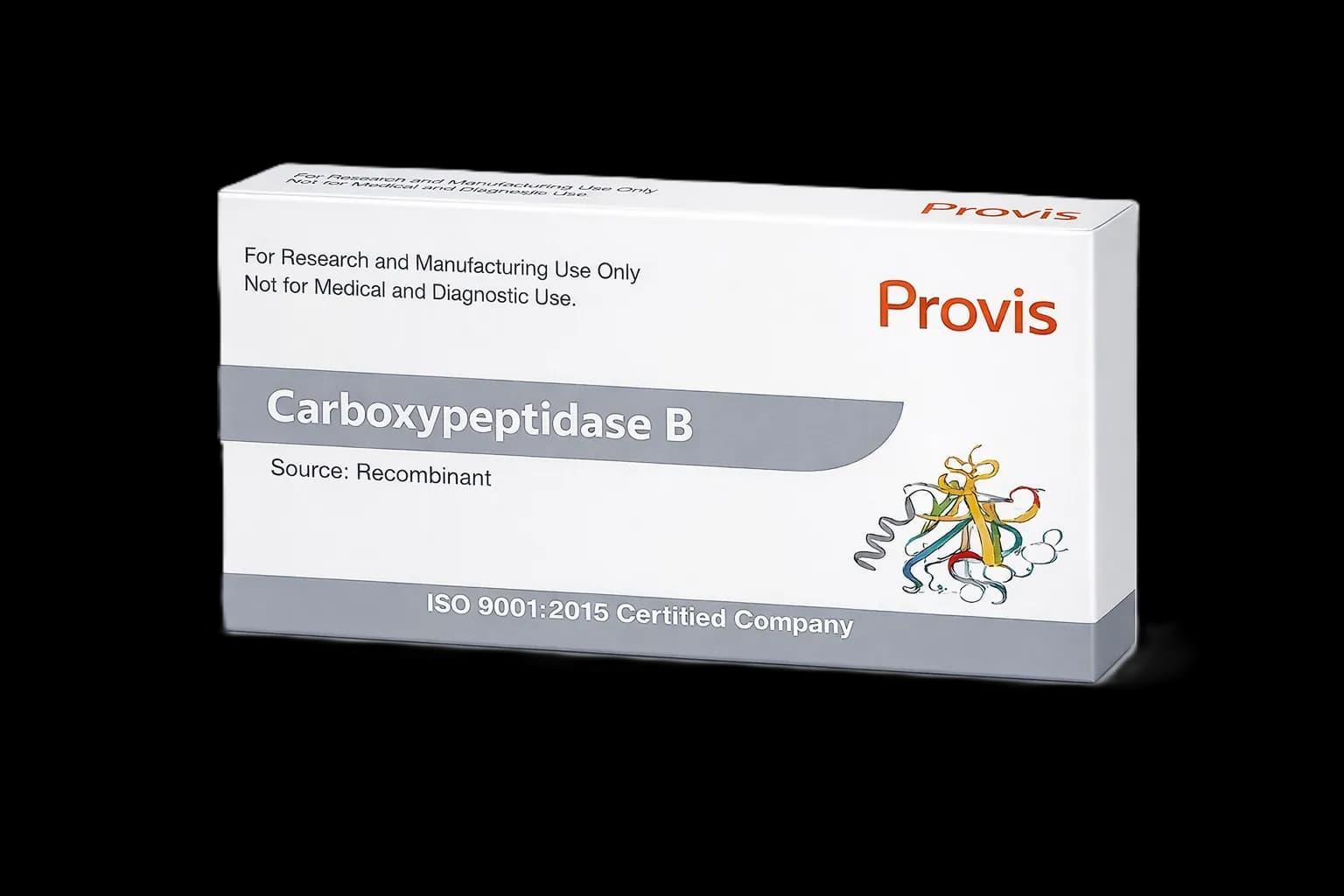
Carboxypeptidase B
Recombinant C-Terminal Cleavage Enzyme for Biologics & Insulin
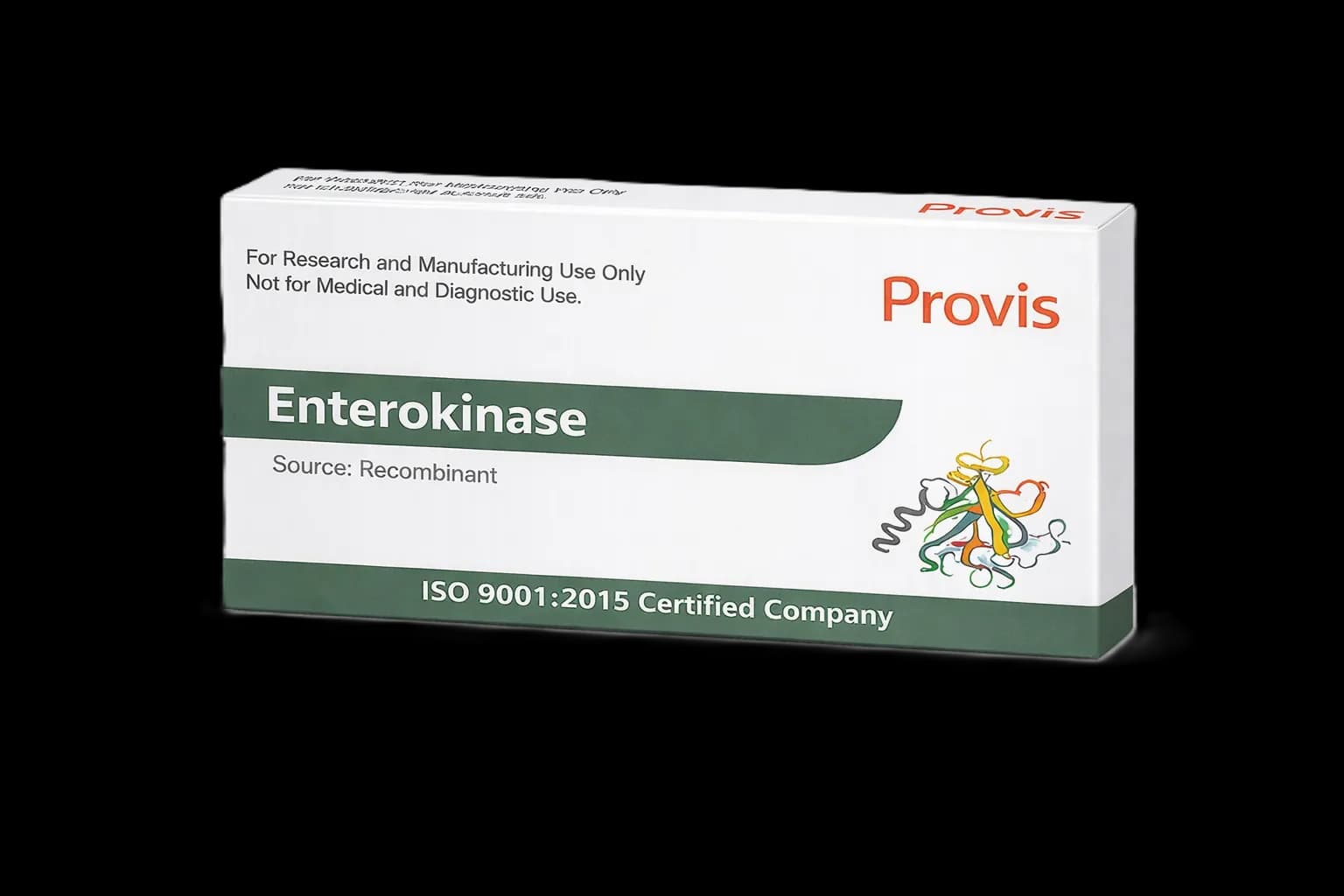
Enterokinase
Precision Cleavage at DDDDK Recognition Site for Fusion Tag Removal
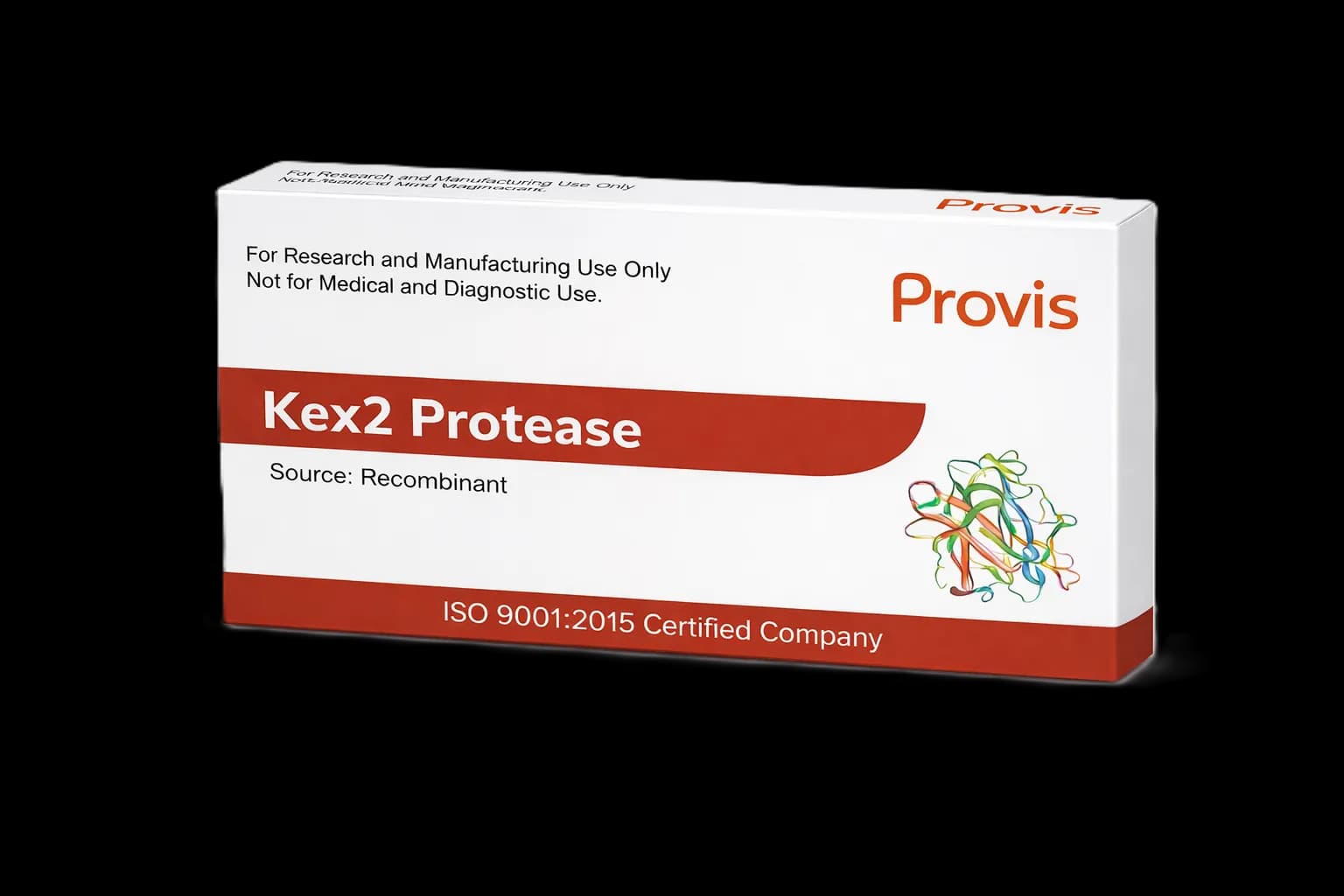
Kex2 Protease
Dibasic Site Cleavage Enzyme for Insulin & Peptide Processing